
Most of what’s in your home will travel to Europe without a second thought. But a few things will stop a van at a border, and it’s much easier to know now than to find out at Calais.
Here’s the simple version.
What travels without fuss
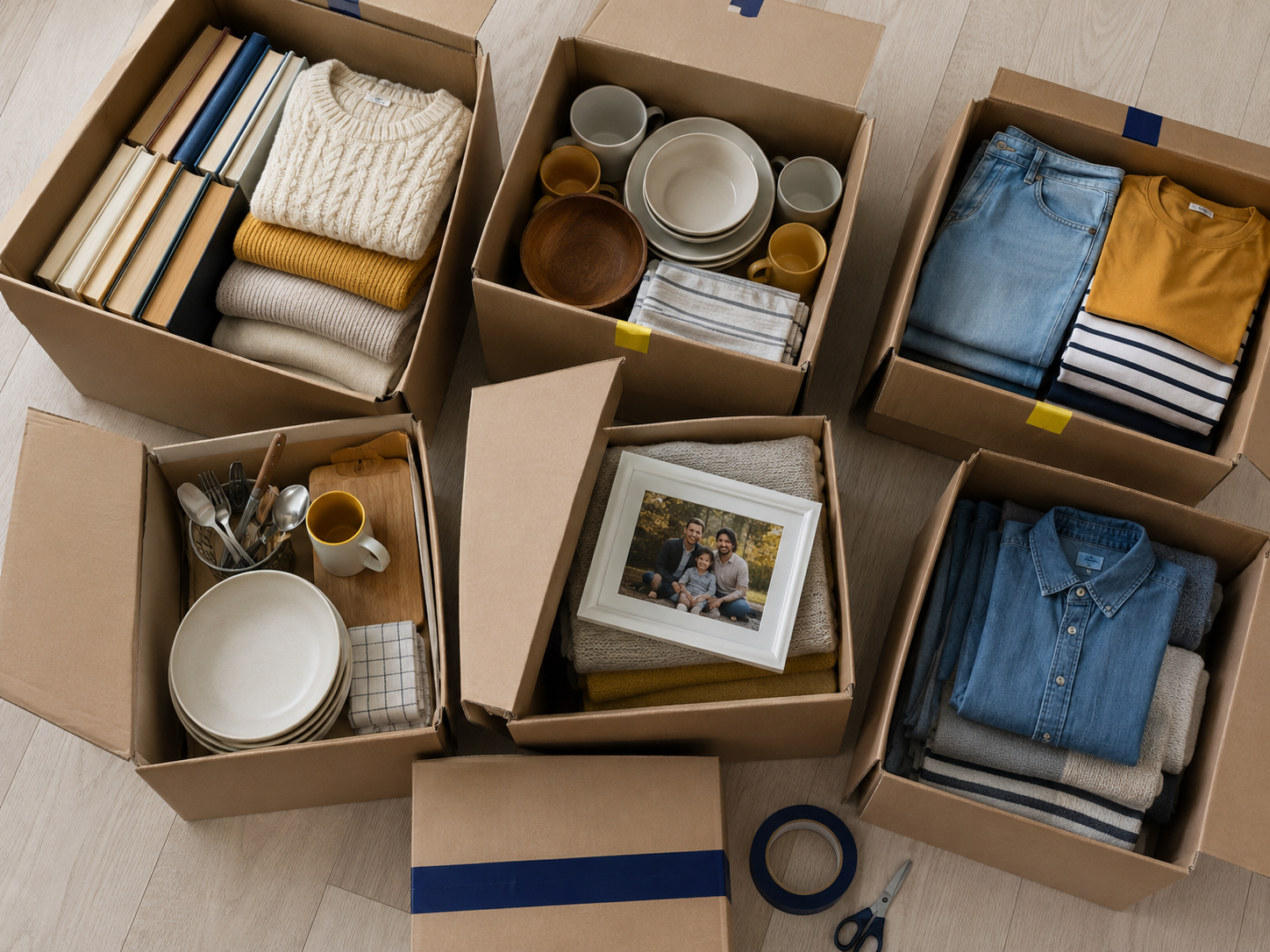
The bulk of your home, essentially:
- Furniture, beds and mattresses
- Clothes, shoes and bedding
- Books, kitchenware and crockery
- Electricals and appliances you’ve been using
- Tools, garden furniture, bikes
- Personal effects and keepsakes
The theme is used personal belongings you already own. That’s exactly what the transfer-of-residence relief is designed for.
What needs care or extra paperwork
Brand-new, still-boxed items. Slightly counter-intuitive, this one. Something you bought last week and haven’t unwrapped may be treated as goods rather than personal effects — and goods can attract duty. If you’ve recently bought something big, keep the receipt and mention it when you get quoted.
Alcohol and tobacco. Subject to excise rules, and limits are tight. A well-stocked wine rack is not a neutral item at a border. Declare it and check the allowance.
Vehicles, including motorbikes. These have their own registration and import process, separate from your household move. Start that early — it’s the thing people leave too late.
Anything of high value. Art, jewellery, antiques and instruments should be listed properly, with values, and insured for the journey.
What generally can’t travel
Food and perishables. Meat and dairy in particular face strict rules entering the EU. Eat it, share it, or leave it — don’t pack it.
Plants, seeds and soil. Plant health rules are strict for good reason. Your houseplants are best rehomed with a friend.
Hazardous items. Paint, petrol, gas canisters, fireworks, aerosols and cleaning chemicals aren’t carried on removal vans. Not a paperwork issue — a safety one.
Anything illegal at the destination. Obvious, but worth stating. Rules on certain knives, weapons and specific goods vary by country.
The best packing decision you’ll make
Take less.
European moves are priced by volume, so every box you don’t take is money saved. This is the ideal moment for an honest clear-out: the wardrobe you never liked, the four-year-old paperwork, the gym equipment you’ll definitely use in the new place.
Sell it, donate it, or clear it before you go. Your quote will thank you.
Make the inventory work for you
You’ll need a detailed inventory anyway — so use it. Number your boxes, list what’s in each, and keep a copy on your phone.
It satisfies customs, it tells you which box the kettle is in, and if anything is ever damaged or missing, you’ve got a record. Ten minutes of admin that repays itself.
Check your destination’s current rules. Restrictions vary by country and change from time to time. Confirm what applies to where you’re moving before you pack.
FAQ
Can I take food with me when I move to Europe? Generally no, especially meat and dairy, which face strict EU import rules. It’s best not to pack food at all.
Can I bring plants when moving abroad? Usually not. Plant health rules restrict plants, seeds and soil crossing borders. Rehome them before you go.
Can I take alcohol in my removal van? Small quantities may be possible but alcohol is subject to excise duty and limits. Always declare it and check the allowance for your destination.